
Salivary Gland Stone Removal
A stone in a salivary gland or its duct blocks the flow of saliva. As a result, it causes pain, swelling, and inflammation. However, doctors can remove it in several ways, from gentle duct-based removal to surgery. This page explains when removal is needed, which options exist, and how treatment works.
- The method depends on the stone's size and location
- In many cases, gentle methods without incisions are possible
- Treatment starts with a consultation, examination, and sialography
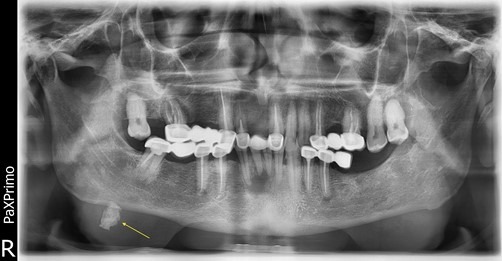

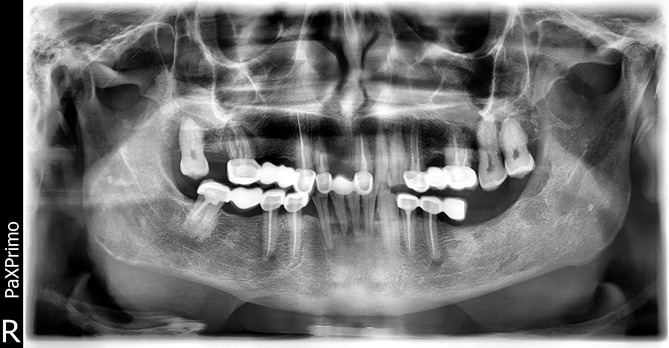
When a Stone Needs to Be Removed
First, the doctor decides on removal after an examination and diagnostic work-up. Removal is usually considered when the stone causes pain and swelling during meals. It is also considered when flare-ups recur or the gland becomes inflamed.
Removal is also usually needed when the stone blocks the duct or keeps growing. It is needed too when conservative measures aren’t helping. The goal of treatment is to clear the obstruction. Whenever possible, the doctor also preserves the gland and its function.
A small stone that causes no symptoms is sometimes simply monitored. However, only a doctor can make that decision. So without an examination, it’s impossible to know how risky the stone is.
For more on how a stone presents, see the page Symptoms of Salivary Gland Stones. For causes, see the page Causes of Salivary Gland Stones.
Can a Stone Go Away Without Treatment?
Small stones sometimes pass on their own with saliva. However, this cannot be predicted in advance. As long as the stone stays in the duct, flare-ups can keep recurring.
Pills, herbal remedies, and rinses cannot dissolve a fully formed stone. That is because there is no reliable evidence that they work. Also, do not try to push the stone out with a finger or the tongue. That can damage the duct or push the stone deeper in.
Delaying an evaluation is risky. That is because stagnant saliva keeps inflammation going. As a result, flare-ups can become more frequent. The stone can also keep growing. In contrast, early detection leaves more treatment options, including gentler ones.
Conservative measures help manage a flare-up. These include adequate fluid intake, oral hygiene, and treating inflammation. However, they do not remove the stone itself. That’s why recurring symptoms call for a proper evaluation rather than self-treatment.
Main Methods of Stone Removal
Below are the methods used for sialolithiasis. However, your doctor determines which one is right for you.
Sialendoscopy
The stone is removed through the duct under direct visual control.
Removal Through the Mouth
Suitable when the stone sits near the duct opening.
Removal of Large Stones
A large stone is sometimes fragmented first and then removed.
Surgical Removal
Through an incision, when other methods aren't suitable.
Gland-Preserving Treatment
The goal is to remove the stone while preserving the gland and its function.
Observation
Possible for a small, symptom-free stone, under a doctor's supervision.
How the Removal Method Is Chosen
First, the choice depends on the stone’s size and location. A stone may sit near the duct opening, within the duct, or inside the gland. The condition of the gland and the presence of inflammation also matter. Prior treatment and the patient’s overall condition matter as well.
Small stones in the duct are often removed through the duct, without incisions. A stone right at the duct opening can sometimes be removed through the mouth. However, large stones and stones inside the gland require more complex procedures.
If there is inflammation, doctors treat it first. Only then is the stone removed. The sections below and separate pages describe each method in detail.

Sialendoscopy and Gland-Preserving Treatment
Sialendoscopy lets the doctor look inside the duct and gland. A thin instrument with a camera makes this possible. The doctor works through the duct and sees the stone directly. As a result, the stone can be removed without incisions on the face or neck. For more, see the page Endoscopic Salivary Stone Removal (Sialendoscopy).
The gland-preserving approach removes the stone and leaves the gland in place. As a result, saliva production continues. According to the clinic’s data, the gland is preserved in the vast majority of cases. For more, see the page Organ-Preserving Treatment of Sialolithiasis.
Doctors most often consider gentle methods for small to medium-sized stones in the duct. This is especially true when symptoms keep recurring. Before the procedure, the doctor assesses the stone’s size and the width of the duct. Then this assessment determines whether the stone can be removed in one piece.
However, these methods aren’t suitable for everyone. Other solutions may be needed if the stone is too large. The same applies to significant changes in the gland or a particular duct anatomy.
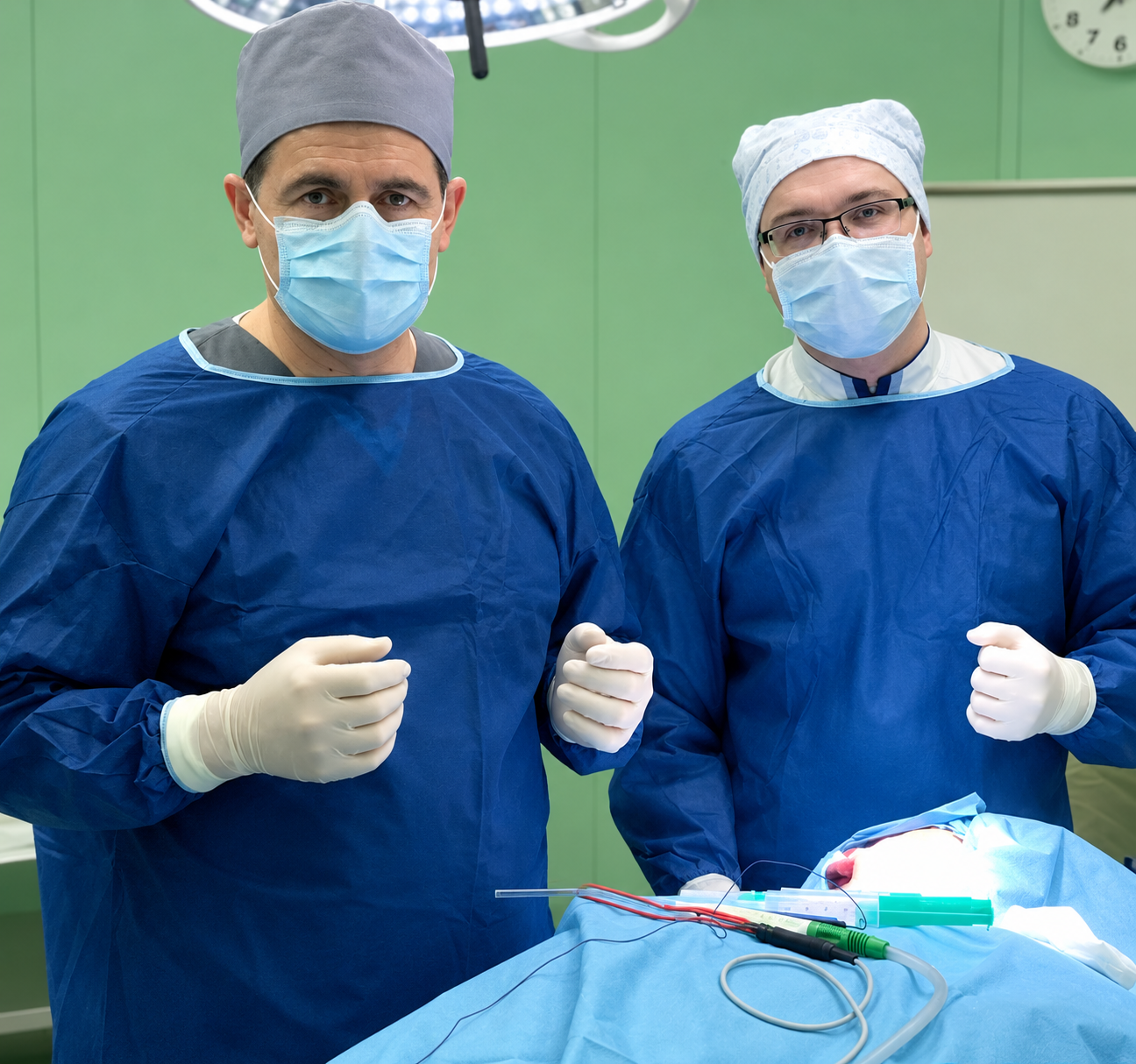
Dr. Magomed Rasulovich Abdusalamov's Approach
Magomed Rasulovich Abdusalamov‘s work is not limited to removing salivary stones. He also uses techniques aimed at preserving the gland itself. In his experience, the stone can usually be removed while the gland is preserved.
Preserving the gland matters because it keeps producing saliva. Saliva also protects the mouth and plays a role in digestion. That’s why doctors first consider removing just the stone rather than the whole gland.
Whether the gland can be preserved depends on several factors. These include the stone’s size and location, the condition of the gland, and any inflammation. Therefore, the doctor assesses this after an examination and diagnostic work-up. In some cases, the gland is irreversibly damaged, so other solutions are needed. For more, see the page Organ-Preserving Treatment of Sialolithiasis.
Removal Through the Mouth and Surgical Methods
A stone right at the duct opening is sometimes removed through the mouth. First, the doctor makes a small opening in the mucosa. Then the doctor removes the stone.
Surgical methods may be needed for large stones or stones deep within the gland. They may also be needed when complications are frequent. For large stones, doctors sometimes use a combined approach with preliminary fragmentation. For more, see the pages Lithotripsy and Transoral Surgical Removal.
Therefore, the doctor and patient make the choice between these options together. The doctor explains how the methods differ and what their advantages and limitations are. In addition, the doctor explains what to expect after treatment.
Removing the gland itself is a last resort. Doctors use it when the gland has been irreversibly damaged. They also use it when its function can no longer be preserved. Near the parotid gland, the surgeon also takes the facial nerve branches into account.
How Stone Removal Differs by Gland
Stones form in the submandibular gland noticeably more often than elsewhere. This is because of the properties of its saliva and its longer duct. For more, see the page Stone in the Submandibular Gland.
Stones are less common in the parotid gland. However, procedures on this gland require special care around the facial nerve branches. More on this is on the page Stone in the Parotid Gland.
Doctors often call a stone at the duct opening a stone under the tongue. Often, the doctor can find it on examination and then remove it through the mouth. For more, see the page Salivary Stone Under the Tongue.
Clinic Experience and Results
Below are the clinic’s own figures. However, they do not guarantee an outcome in any individual case. Instead, the method and result of treatment depend on the stone’s size and location. They also depend on the condition of the gland.
99% Gland Preservation
Share of treated cases in which the gland was preserved, according to the clinic's data.
2,000+ Patients
Have undergone evaluation and treatment with the clinic's specialists.
3 Patents and 100+ Publications
Experience in diagnosing and treating salivary gland disorders.
What Work-up Is Needed Before Removal
Before the procedure, the doctor needs to know exactly where the stone is. The doctor also needs to know its size and the condition of the gland. For this, the following may be ordered:
- an examination and palpation of the gland and the floor of the mouth;
- salivary gland sialography, the main method for locating a stone;
- CT or MRI, when indicated;
- sialography or sialendoscopy to examine the duct, some of which are done outside a flare-up;
- a general pre-procedure work-up, if required for the chosen method.
So the results help the doctor choose a method and anticipate possible complications. They also help the doctor explain what to expect from treatment. That’s why this step shouldn’t be skipped, even if symptoms have already settled down.
For more, see the page Diagnosis and Detection of Stones. However, the doctor chooses the specific diagnostic method based on the examination.
How Treatment Proceeds
Getting from your first visit to a stone-free result usually involves several stages:
- consultation and examination: the doctor asks about your symptoms and examines the gland;
- work-up: ultrasound and other tests, as indicated;
- choosing a method: the doctor explains the options and answers your questions;
- the procedure: performed using the chosen method, with an appropriate type of anesthesia;
- follow-up: a post-treatment check-up and recommendations for the recovery period.
Questions worth asking your doctor before the procedure:
- which method is being proposed, and why;
- what type of anesthesia will be used;
- how long recovery is expected to take;
- what complications are possible and how to recognize them.
So the method determines the type of anesthesia, the procedure length, and the recovery time. Your doctor will explain all of these at the consultation.
Recovery and Possible Complications
After gentle procedures, the return to everyday life is usually faster than after surgery. However, the timeline is always individual. The doctor also provides guidance on fluid intake, oral hygiene, and diet.
Like any procedure, stone removal can involve temporary pain and swelling. In rare cases, it can also involve inflammation, duct injury, or duct narrowing. That is why it is important to follow the recommendations and attend follow-up check-ups.
After the procedure, patients are usually advised to:
- drink enough fluids;
- maintain good oral hygiene;
- follow the dietary recommendations given by the doctor;
- attend a follow-up check-up and ultrasound, if scheduled.
Contact your doctor right away if, after treatment:
- your temperature rises or the swelling increases;
- pus appears or the pain becomes severe;
- saliva stops flowing entirely.
What Determines the Cost of Removal
It is not possible to give an exact price without an examination. The price depends on the method and the complexity of the procedure. Besides, the extent of the work-up and the type of anesthesia matter. The stone’s size and location also play a role. So do inflammation and the need for repeat procedures.
So ask in advance what’s included in the price. This may cover the work-up, the procedure itself, anesthesia, and the follow-up check-up.
The doctor will provide an estimated treatment plan and cost after the consultation and work-up. You can also book an appointment by phone or through the form on the website.
What to Do Before Your Consultation
While you’re waiting for your appointment, avoid anything that could harm the gland or duct. Below, you’ll find what you can do on your own and what is best avoided. However, these tips do not replace treatment.
What You Can Do
- drink enough fluids and maintain good oral hygiene;
- keep track of when pain and swelling occur and after which foods;
- gather any previous imaging and reports: ultrasound, X-ray, CT.
What's Best Avoided
- trying to squeeze out the stone or vigorously massaging the gland;
- applying heat or compresses to the gland if there's fever or pus;
- starting antibiotics without a doctor's prescription;
- delaying a visit if the swelling is increasing.
When You Need to See a Doctor
So book a consultation as soon as symptoms start recurring. Pain and swelling under the jaw or cheek during meals often signal a stone. However, you cannot determine the cause on your own. Do not delay a visit if:
- the swelling doesn't go down or keeps growing;
- there is redness, warmth, or pus coming from the duct;
- the pain is severe and doesn't go away;
- there is an unpleasant, pus-like taste in the mouth;
- it's difficult to open your mouth or swallow.
Call emergency services if swelling increases rapidly. Also call if you have a high fever or difficulty swallowing or breathing.
Key Points About Stone Removal
Here is a quick summary of the key points:
- a stone usually needs to be removed if it causes pain, swelling, or inflammation;
- a stone cannot be dissolved with medication or herbs, or squeezed out on your own;
- the removal method depends on the stone's size and location and on the gland's condition;
- gentle, gland-preserving methods are possible in many cases;
- an examination, ultrasound, and other tests are needed before the procedure, as indicated;
- the exact treatment plan and cost are provided after the consultation.
Frequently Asked Questions
Removal and recovery
A stone that causes pain, swelling, or inflammation is usually removed. However, a small stone without symptoms is sometimes simply monitored. The doctor decides after an examination and ultrasound.
In many cases, yes. The stone is removed through the duct or through the mouth. Whether this is possible depends on the stone’s size and location.
The goal of treatment is to preserve the gland. Magomed Rasulovich Abdusalamov uses gland-preserving techniques. In most cases, he can remove the stone and preserve the gland. According to the clinic’s data, this is achieved in 99% of treated cases. However, the doctor assesses the likelihood individually after an examination.
The type of anesthesia depends on the procedure and the patient’s condition. So your doctor will discuss this at the consultation.
Recovery time depends on the method and varies from person to person. However, it is generally shorter after gentle procedures than after surgery.
Self-treatment and risks
No reliable evidence shows that medication or herbal remedies can dissolve a fully formed stone. So it is better not to waste time. See a doctor instead.
No. Doing so can damage the duct. It can also push the stone deeper in.
Rarely. The gland is removed only if it is irreversibly damaged. It may also be removed if other methods are not suitable. The doctor makes the decision after an examination.
Yes, this is possible. The risk depends on what caused the stone to form. It also depends on the condition of the gland. The doctor determines follow-up after treatment individually.
Preparation, cost, and booking
First, complete the work-up your doctor orders. Then bring any previous imaging and reports. Also, check how to eat and take medication before the procedure.
The cost depends on the method and the complexity of the procedure. It also depends on the extent of the work-up. The exact amount is provided after the consultation.
Magomed Rasulovich Abdusalamov provides consultations and treatment. His work is not limited to stone removal. He also uses techniques that preserve the salivary gland.
To book a consultation, call +7 (925) 506-15-03 or use the form on the website.
Related Subjects
Need a Stone Removed, or Still Have Questions?
Book a consultation, and the doctor will examine the gland and determine the stone’s location. The doctor will also order any needed tests. Then they will choose a treatment approach that preserves the gland whenever possible.